
The first step with inherited coins is working out what kind of coins they are, because that decides who should value them and who is likely to pay the most. Investment-grade bullion coins are priced mainly on their gold or silver content and are bought by precious metals dealers. Collectible, or numismatic, coins are priced on rarity and condition and are often better suited to an auction house or a specialist coin dealer.
If you decide to sell, the number that matters is the amount you are actually paid once the buyer has received and inspected the coins and taken any deductions. That figure can be very different from the first quote you hear. This guide explains how to identify what you have, how buyback pricing works, and how to compare offers so you can choose a reputable buyer with the highest credible net price.
This guide covers gold and silver coins inherited outside a retirement account. Metals held in an inherited IRA require a review of the account and its distribution rules. The IRS discusses those separately.
First, Work Out What Kind of Coins You Have
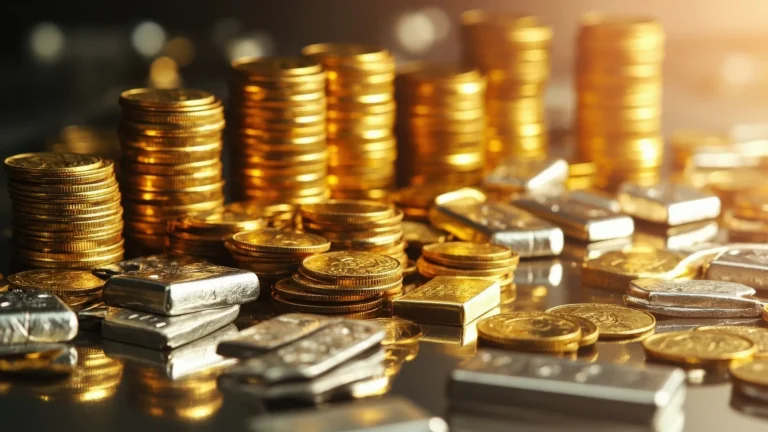
People often describe any inherited coins as a “coin collection,” but the term covers two very different things. A true collection usually means collectible or numismatic coins, valued for rarity, date, mint mark, and condition. Many inheritances, however, consist mostly of investment-grade bullion: coins such as American Gold Eagles, Canadian Maple Leafs, South African Krugerrands, and American Silver Eagles, or gold and silver bars, bought for their metal content.
The U.S. Mint distinguishes bullion from numismatic coins on exactly this basis. PCGS defines semi-numismatic coins as a middle category, with significant bullion value plus some collector value. Many estates include a mix, so it helps to sort the coins into groups before asking anyone for a price.
| Type of coin | What drives its value | Where to get a value or sell |
|---|---|---|
| Investment-grade bullion | Precious metal content, the current spot price, and demand for that specific product. | A reputable precious metals dealer, such as Orion Metal Exchange. |
| Semi-numismatic | Metal content plus a collector component tied to date, grade, or scarcity. | A coin specialist, since part of the value depends on collector demand. |
| Collectible or numismatic | Rarity, condition, certification, and collector demand, not just metal content. | An auction house or a specialist in collectible coins, often after professional grading or appraisal. |
Orion Metal Exchange focuses on investment-grade precious metals: bullion coins and bars bought for their metal content. We do not deal in coins for collectors. If some of your coins look rare, certified, or unusual, a numismatic specialist is the right place to have those pieces evaluated.
Do Not Clean the Coins
Resist the urge to polish them for a better photograph. The American Numismatic Association warns that cleaning can reduce a coin’s value. The U.S. Mint recommends handling coins by their edges and keeping them in protective holders. Leave sealed grading holders intact.
Make an Inventory Before Asking for a Price
A simple record of what you have makes every later step faster and every quote more accurate. A spreadsheet or notebook is enough. For each coin or group of matching coins, record:
- The product name, country, denomination, year, and any mint mark you can read.
- The quantity and the stated metal weight and purity, where shown.
- The grading company, grade, and certification number on any sealed holder.
- Any original invoices, packaging, assay cards, or previous appraisals.
Mark anything you cannot identify as unknown rather than guessing, and keep notes with the coins they describe. A family description can help, but it should not replace actual identification.
How Inherited Coins Are Valued
Metal Value Is the Starting Point
For a coin with confirmed metal content, a basic estimate is its fine-metal weight in troy ounces multiplied by the current spot price per troy ounce. Use the weight of the gold or silver itself, not the total weight of the coin, since many coins contain other metals. Orion’s precious metals chart provides a live market reference.
That calculation is a reference point, not an offer. The U.S. Mint explains that physical bullion prices include premiums associated with producing and distributing the product, and buyback prices also vary by product. Collector value, where it exists, is assessed separately.
Price Guides and Appraisals Are Not Offers
The PCGS Price Guide describes its figures as average dealer asking prices for PCGS-graded coins. Make sure any comparison matches the coin’s date, mint mark, variety, and grade, and remember that an asking price is not a completed sale.
A professional appraisal is useful when a coin’s identity, authenticity, or condition is uncertain, or when you need a valuation for estate records. The ANA recommends examination by an experienced numismatist, and its guidance on inherited coins notes that appraisals for tax purposes typically involve a fee. Tell the appraiser what the valuation is for, and ask whether they are also offering to buy the coins.
How to Sell Investment-Grade Coins: Step by Step
Once you know which of your coins are investment-grade bullion, selling them comes down to five steps. Each one protects the amount you actually receive.
Step 1: Gather Documentation and Photographs
Buyers can give a far more accurate preliminary quote when they know exactly what you have. Compile your inventory, any invoices or product descriptions, the quantity of each item, and clear photographs of both sides of each coin or bar, including any certification labels. A vague description such as “a box of gold coins” can only produce a vague quote.
Step 2: Research Reputable Precious Metals Companies
The buyer you choose matters as much as the price. Look at how long the company has been in business, what independent customer reviews say about its buyback experience specifically, and whether it regularly handles liquidations of the products you hold. A company that explains its process clearly and answers questions in writing is usually easier to trust than one that leads with a headline number.
Contact several established dealers, including Orion Metal Exchange, describe the same coins to each, and compare their offers side by side.
Step 3: Understand How Buyback Pricing Works
Dealer buyback offers are shaped by the secondary market. Dealers resell the metal they buy to wholesale suppliers, and those suppliers’ bids for each product influence what a dealer can pay you. That is why offers differ between products and move with the market throughout the day.
A dealer’s commission, margin, and any other deductions, such as processing, testing, or shipping charges, come out of that price and can materially reduce what you receive. Always compare the final net proceeds for the same coins, not the headline price per ounce. Because the U.S. Mint notes that spot prices fluctuate daily, compare quotes gathered close together in time.
Step 4: Confirm Insured Shipping Before You Send Anything
Before your coins leave your hands, confirm in writing who arranges the shipment and who pays for it, when insurance coverage begins, the insured value, and how a loss or damage in transit would be handled. Coins should never travel uninsured or underinsured.
Step 5: Understand Inspection and Final Settlement
A preliminary quote is not the same as a final settlement. Most buyers confirm the price only after they receive the coins and verify their authenticity, quantity, and condition. Ask what conditions could change the price, how long you have to accept or decline a revised figure, how payment is made, and how quickly it is sent.
Why the Highest Quote Is Not Always the Highest Payout
An attractive initial quote does not necessarily translate into the highest final payout. Some buyers quote an unusually high preliminary price to secure the shipment, then lower the offer or introduce substantial liquidation fees once the metal arrives. They rely on the seller’s reluctance to arrange and pay for insured return shipping, so many sellers accept the reduced amount rather than start over.
A high quote is not evidence of dishonesty on its own. Buyback prices depend on the specific product and current market conditions, and some products legitimately draw strong bids. What separates a credible offer from an inflated one is whether it holds up once the coins are delivered. Before you send your metals, ask each buyer to confirm:
- The quoted price for each specific product, how it relates to the current spot price, and how long the quote is held.
- Every deduction, including commissions, processing, testing, and shipping costs, so you can see your net proceeds.
- Inspection conditions, meaning exactly what could lead the buyer to revise the price after receiving the coins.
- Return-shipping terms, including who pays and whether the return is insured if you decline a revised offer.
- Payment terms, meaning the method of payment and how quickly funds are sent once the price is final.
A reputable company will answer all five questions clearly and in writing before you ship. Vague answers, reluctance to put terms in writing, or pressure to ship quickly are reasons to keep comparing.
What Records Matter When You Inherit Coins?
For U.S. federal income tax purposes, the IRS generally excludes inherited property from the recipient’s income. A later sale is a separate matter and may produce a taxable gain, which is why records matter even if you have no immediate plans to sell.
The IRS explains that inherited property generally takes a basis equal to its fair market value on the date of the owner’s death, with exceptions such as an alternate valuation date elected on an estate tax return. Ask the executor for existing valuation records, and keep the inventory, appraisals, estate documents, and sales paperwork, as IRS Publication 551 explains. Orion’s guide to taxes when selling gold or silver provides more background. Consult your tax advisor regarding your individual circumstances.
The Practical Takeaway
Selling inherited investment-grade coins well comes down to four things:
- Document the holdings with an inventory, invoices, and clear photographs.
- Compare net offers from reputable buyers for the same coins at the same time.
- Confirm shipping coverage in writing before the coins leave your hands.
- Understand inspection and settlement terms, including return shipping, before you proceed.
For more detail on the transaction itself, see Orion’s guide to selling gold coins.
Inherited Coins FAQs
What Should I Do With an Inherited Coin Collection?
Keep the coins and their records together, avoid cleaning them, and make an inventory. Then sort the coins into investment-grade bullion and possible collectibles. Bullion can be quoted by a precious metals dealer, while rare or certified pieces are best evaluated by a numismatic specialist.
Are Inherited Gold and Silver Coins Worth Anything?
Almost always, because genuine gold and silver coins carry the value of their metal content at minimum. Authenticity, the exact product, condition, and any collector demand determine how much a buyer will pay.
How Much Can I Sell My 1 oz Gold Coin For?
It depends on the exact product and the current market. Well-known bullion coins such as American Gold Eagles and Canadian Maple Leafs are typically bought at a price tied closely to the spot price of gold. Ask for a current written quote and confirm any deductions to see your net amount.
Why Would a Buyer Lower Its Offer After Receiving My Coins?
Sometimes there is a legitimate reason, such as a coin that is damaged, not authentic, or not the product described. But some buyers quote high to secure the shipment and then reduce the price, knowing many sellers will not pay for return shipping. Confirming inspection conditions and return-shipping terms in writing before you ship protects you from this.
What Is the Best Way to Sell Inherited Coins?
For investment-grade bullion, a reputable precious metals dealer offering a transparent, written quote is usually the most direct route. For rare collectible coins, the ANA discusses dealers and specialist auctions as options. In both cases, compare net proceeds and written terms, not headline prices.
How Orion Can Help
Orion Metal Exchange is an investment-focused precious metals company. We buy investment-grade bullion coins and bars, even when they were originally purchased from another company. Before you send anything, we will explain how our buyback pricing works for your specific products, what deductions apply, how shipping and insurance are handled, and how inspection and payment work, so you know what to expect from quote to settlement.
Contact Orion with your inventory and photographs for a clear explanation of our buyback process and a current quote. Orion does not buy or sell collectible coins. For rare or numismatic pieces, or an appraisal required for estate or tax purposes, we recommend an auction house or a specialist in collectible coins.
Important Disclosure
This article is for educational and informational purposes only. It does not constitute tax, legal, accounting, financial, investment, or trading advice, or a recommendation to buy, sell, or hold any precious metal or other product. Orion Metal Exchange does not provide financial or tax advice.
Precious metals can fluctuate significantly in value and can be volatile. Past performance does not guarantee future results. Tax rules and estate circumstances vary. Consult qualified financial and legal professionals as appropriate before making decisions.