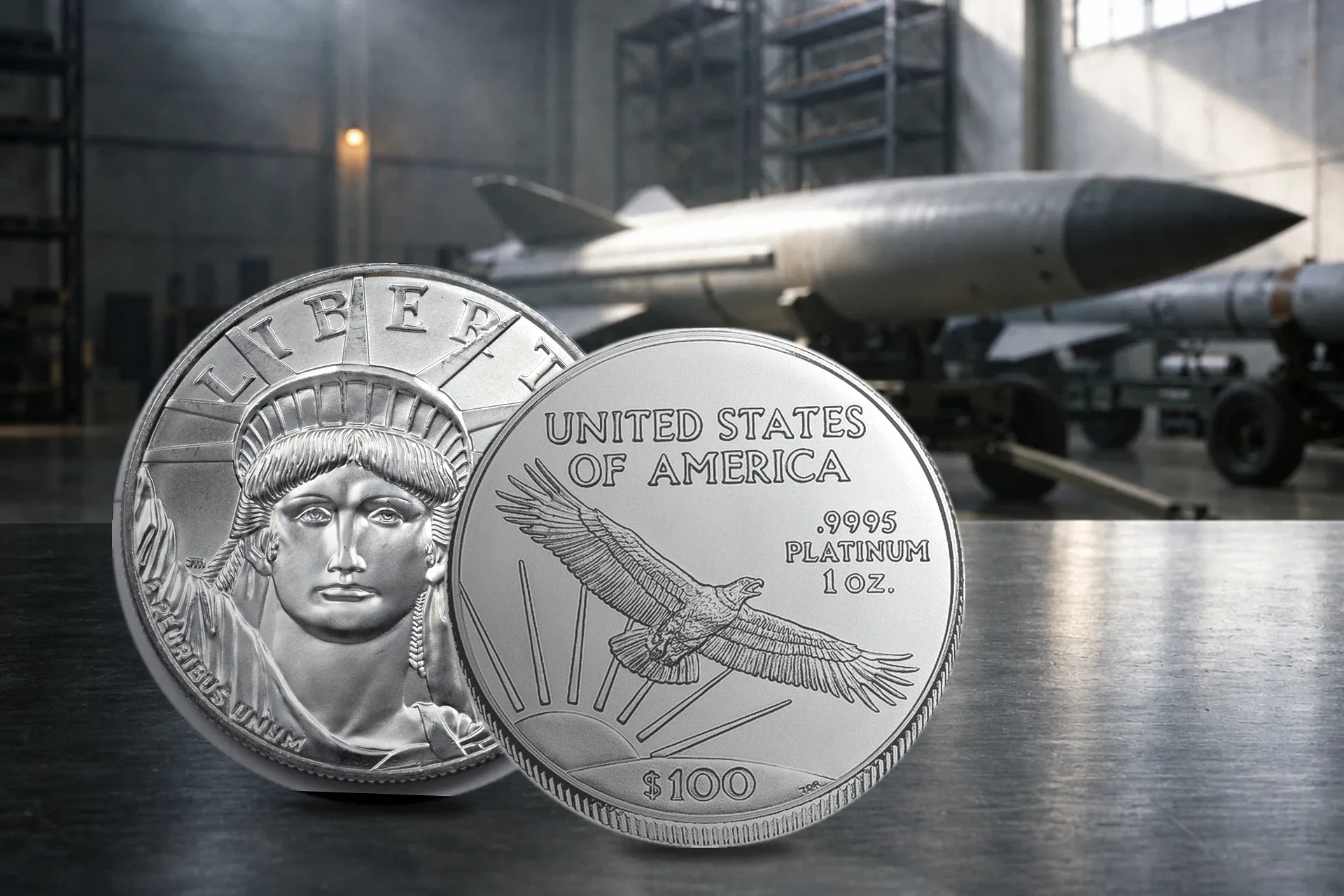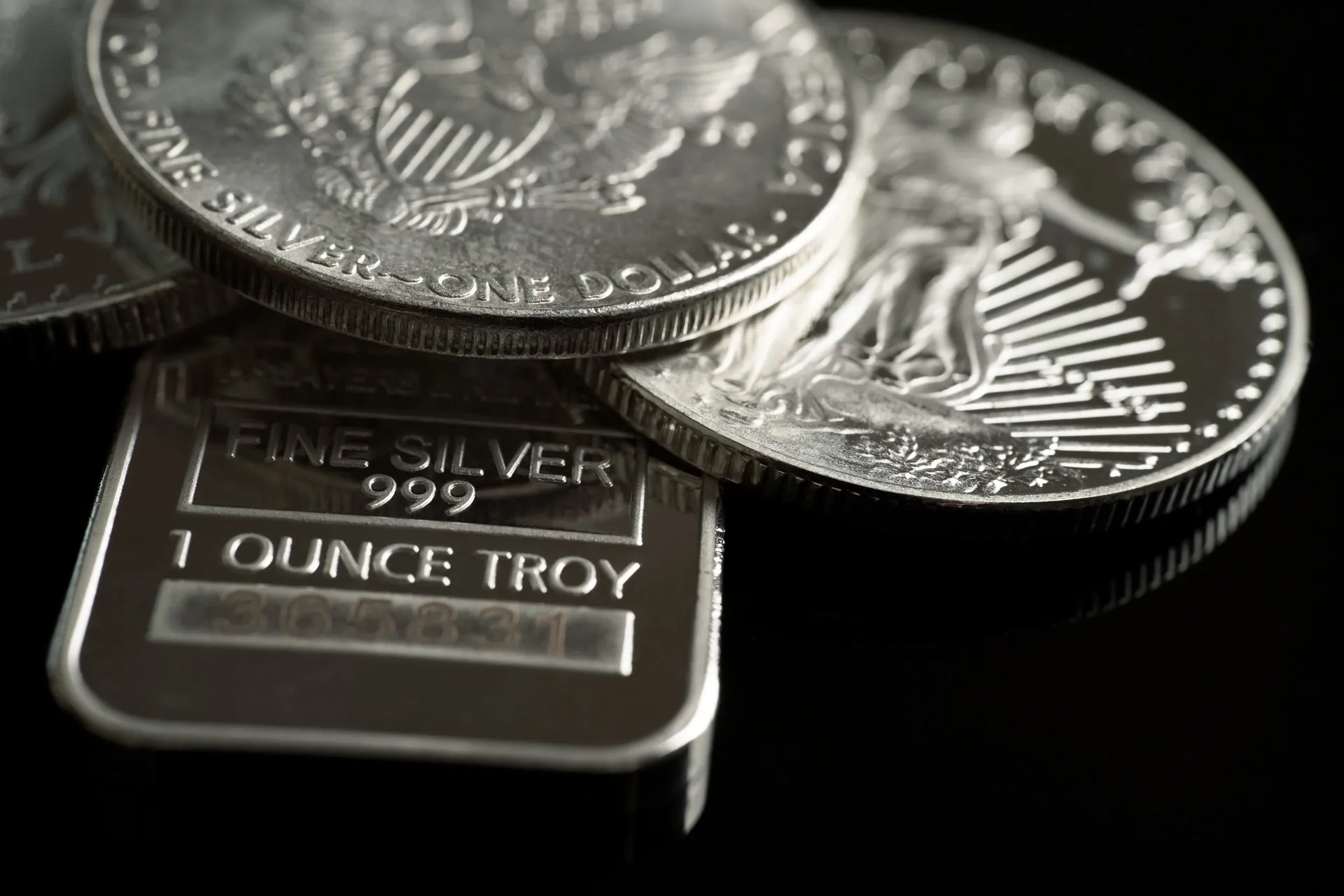
As more retirement investors look to diversify their portfolios beyond traditional paper assets, Precious Metals IRAs have become a popular option. But before you start filling your retirement account with investment-grade gold coins, you need to read the fine print.
The IRS sets incredibly strict rules for holding precious metals in self-directed retirement accounts. Making a mistake here can trigger tax penalties. Not every gold coin qualifies for use in an IRA, and knowing the difference between an approved asset and a prohibited collectible is crucial.
Let’s break down exactly which gold coins get the IRS green light, which ones you need to avoid, and how to navigate the Precious Metals IRA landscape safely.
What Exactly Is a Precious Metals IRA?
A Precious Metals IRA is a self-directed retirement account that allows you to hold physical gold, silver, platinum, and palladium rather than traditional investments such as stocks, bonds, or mutual funds.
Investors typically turn to these specialized accounts for a few key reasons:
- Providing a sturdy hedge against inflation.
- Diversifying a heavily paper-based portfolio.
- Preserving long-term wealth.
- Reducing exposure to stock market volatility.
The Golden Rule: IRS Purity Requirements
Why does the IRS care which coins you buy? Because they strictly prohibit retirement accounts from holding speculative “collectibles”—items valued primarily for their rarity rather than their actual metal content.
To keep collectibles out, the IRS enforces a strict purity standard: most gold bullion products must be at least .995 fine gold (99.5% pure) and produced by a recognized national mint or an approved refiner.
The Big Exception: The American Gold Eagle is the one major exception to this rule. Even though it is 22-karat (91.67% pure gold), Congress specifically authorized its inclusion in an IRA.
The “Yes” List: Fully IRA-Eligible Gold Coins
If you want to play it safe, stick to the major players. These popular bullion coins easily meet IRS standards and are widely approved for Precious Metals IRAs:
- American Gold Eagles: The undisputed king of IRA gold. Produced by the U.S. Mint, they offer ironclad government backing, wide global recognition, and are available in multiple fractional sizes.
- American Gold Buffalos: Perfect for investors who want a U.S. Mint product but demand 99.99% purity.
- Canadian Gold Maple Leafs: Produced by the Royal Canadian Mint, this 24-karat coin is one of the most recognized and purest bullion coins in the world.
- Austrian Gold Philharmonics: A stunning, highly liquid coin that is incredibly popular among global investors.
- Australian Gold Kangaroos: Minted by the prestigious Perth Mint, these easily qualify due to their .9999 purity.
The “No” List: Gold Coins to Avoid for IRAs
This is where many first-time investors can make a mistake. Several famous, highly sought-after gold products fail to meet IRS eligibility requirements:
- Rare and Collectible Coins: Proof collectibles, graded numismatic products, and limited-edition commemoratives do not qualify. Their high premiums are tied to rarity, not their bullion value.
- Pre-1933 U.S. Gold Coins: Historic gold coins are classified as collectibles by the IRS and are strictly excluded.
- South African Krugerrands: While they are iconic and legendary in the bullion world, standard Krugerrands do not meet the IRS’s minimum .995 purity requirement.
The “Home Storage” Trap
Can you keep your IRA gold in your home safe? Absolutely not. Aggressive marketers sometimes push “home storage IRAs,” but doing this can expose you to compliance risks, taxes, and penalties. IRS rules mandate that IRA precious metals must be held in approved depositories. These professional, third-party vaults provide insured storage, top-tier security, and handle all the necessary regulatory auditing and reporting.
Strategy and Execution
Setting up your gold IRA usually involves a rollover, transferring funds from a Traditional IRA, 401(k), 403(b), or Thrift Savings Plan into a newly established self-directed IRA. Companies like Orion Metal Exchange and other reputable dealers specialize in helping investors complete these rollovers smoothly and in compliance.
Should You Buy Coins or Bars?
Both coins and bars are technically allowed in a precious metals IRA, but coins are usually the better route for retail investors. Coins are easier to recognize, simpler to authenticate, highly liquid, and give you the flexibility to liquidate smaller denominations when it’s time to take distributions.
How Much Gold Should You Hold?
Gold has long been considered to be a defensive asset meant to stabilize your portfolio, not act as a high-growth rocket ship. While the right allocation depends on your age, risk tolerance, and retirement timeline, most financial professionals suggest a modest exposure (often between 5% and 10%) for diversification and insurance against economic chaos.
Final Thoughts
Understanding the IRS playbook is non-negotiable before funding a Precious Metals IRA. Stick to highly liquid, approved bullion like Gold Eagles, Maple Leafs, or Buffalos; avoid collectibles, and always work with reputable dealers and custodians. Build your portfolio correctly, and your physical gold will do exactly what it’s meant to do: protect your hard-earned wealth long-term!