When financial experts talk about investing in precious metals, they’re typically referencing gold, silver, platinum, and palladium. These are all considered investment metals and are permissible in a self-directed IRA, which is a special retirement account designed to hold alternative assets that are not typically allowed in a traditional IRA.
Precious Metals have become an important retirement asset due to their powerful portfolio diversification qualities, their effectiveness as an inflation hedge, and their role as a reliable safe haven.
These metals provide wealth protection amid high inflation, stock volatility, or a full-blown financial crisis. Gold, silver, platinum and palladium bullion bars and minted coins can also help to offset the eroding value of the U.S. dollar.
The Vulnerable U.S. Investor

Whether an investor is currently in retirement, a few years away, or a full decade away — his/her savings, pensions, IRAs, and rainy-day funds are subject to a host of inherent risks.
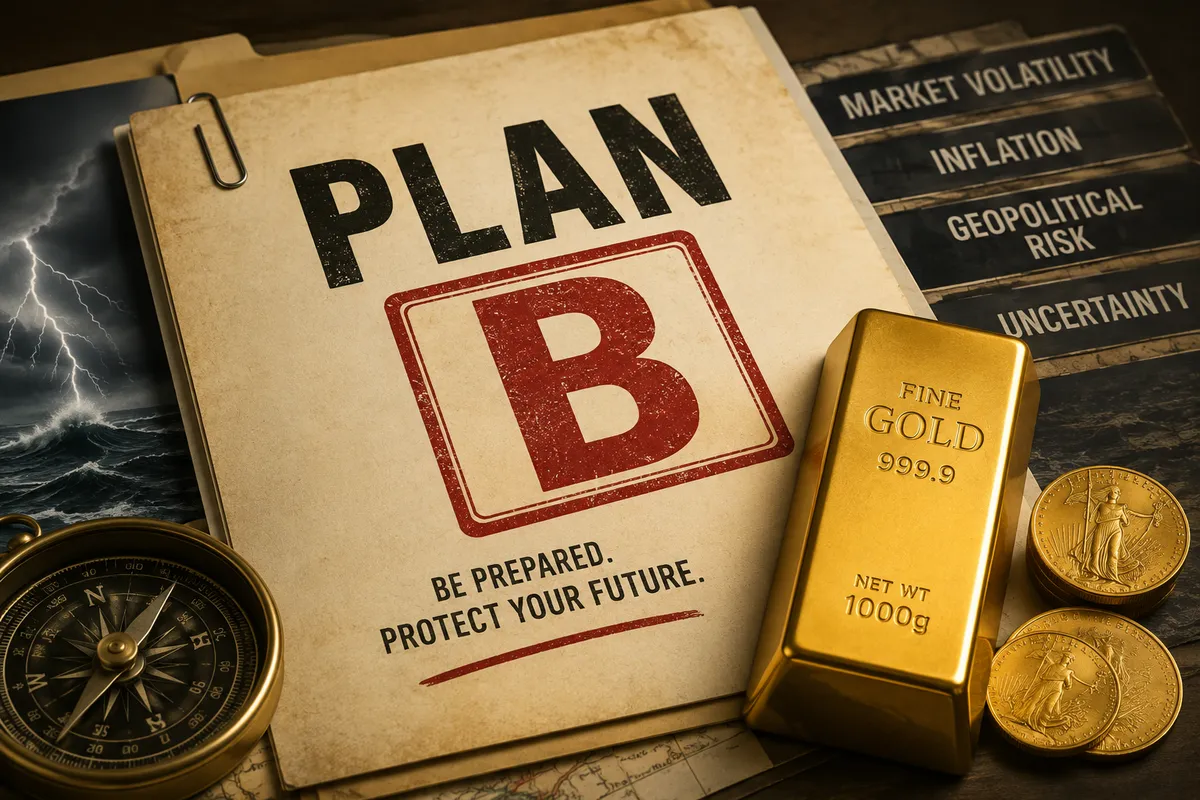
Morgan Stanley recently highlighted four, key risks investors should not ignore: 1) Elevated policy uncertainty, 2) Geopolitical stresses, 3) Potential weakening in the U.S. labor market, and 4) Pressure on corporate profit margins.[1]
President Trump’s economic policies continue to be a wild card for a market that loathes uncertainty. Along with aggressive trade protectionism, the current wars between Russia and Ukraine, Israel and Gaza, and ongoing threats from China and the Middle East pose great risk for anyone trying to put money away for retirement. In addition, recent data suggests that the labor market may be weakening and the outlook for corporate profits is growing increasingly soft due to the impact of tariffs and nervous American consumers who are getting more and more careful with their money.
“The lackluster jobs market is making consumers feel increasingly concerned about their financial prospects, according to sentiment surveys. The University of Michigan said Friday that its consumer-sentiment gauge deteriorated in early September to a level only slightly above pandemic-era lows, while the Conference Board research group’s consumer-confidence survey reported rising worries about jobs and income.”
Why Hold Metals for Retirement?
Gold is among the most well-known of all precious metals. It has historically served as a valuable, durable and timeless measure of wealth dating back to ancient civilizations. In modern times it has been a monetary standard and continues to be a critical store of value in an increasingly intangible world.
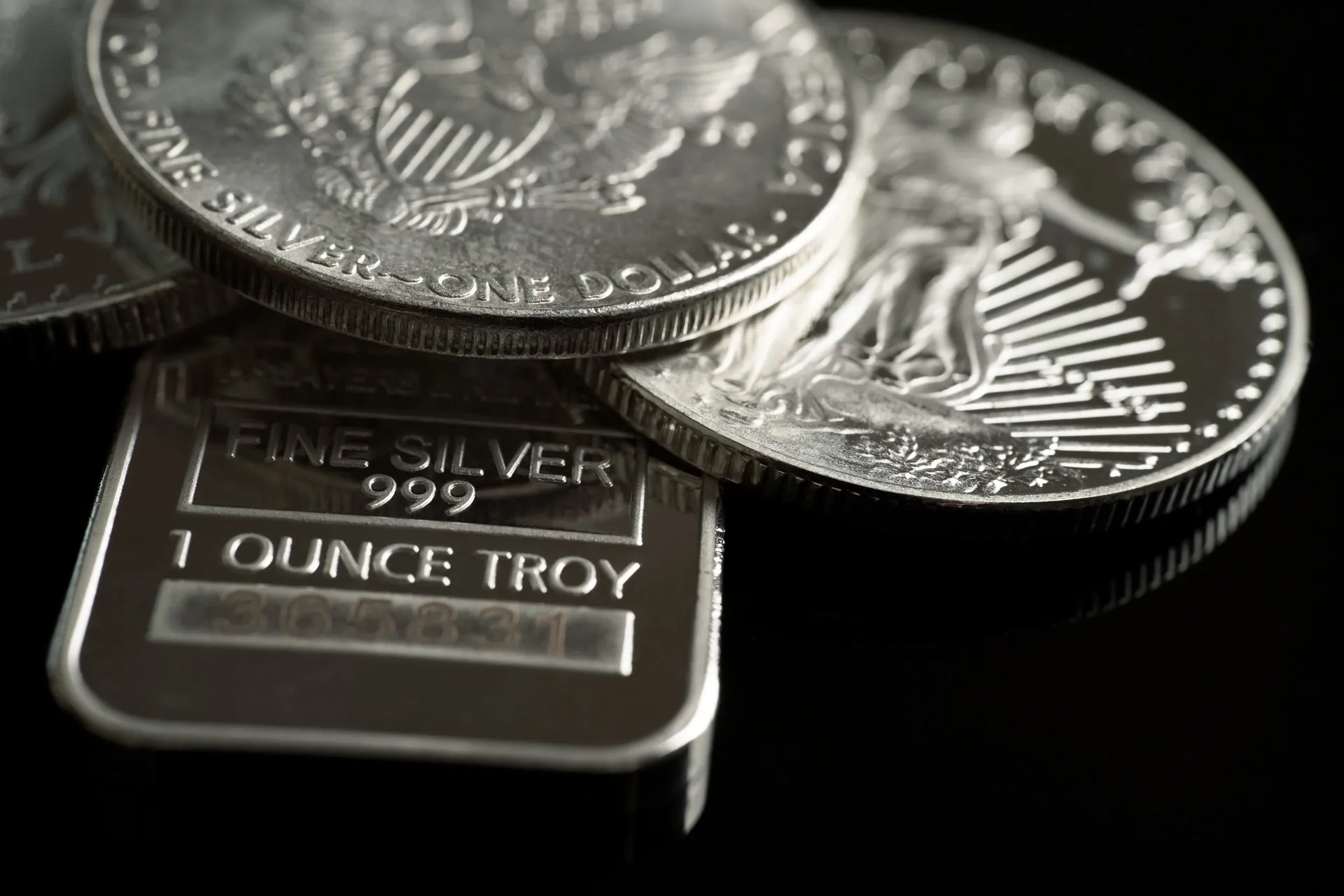
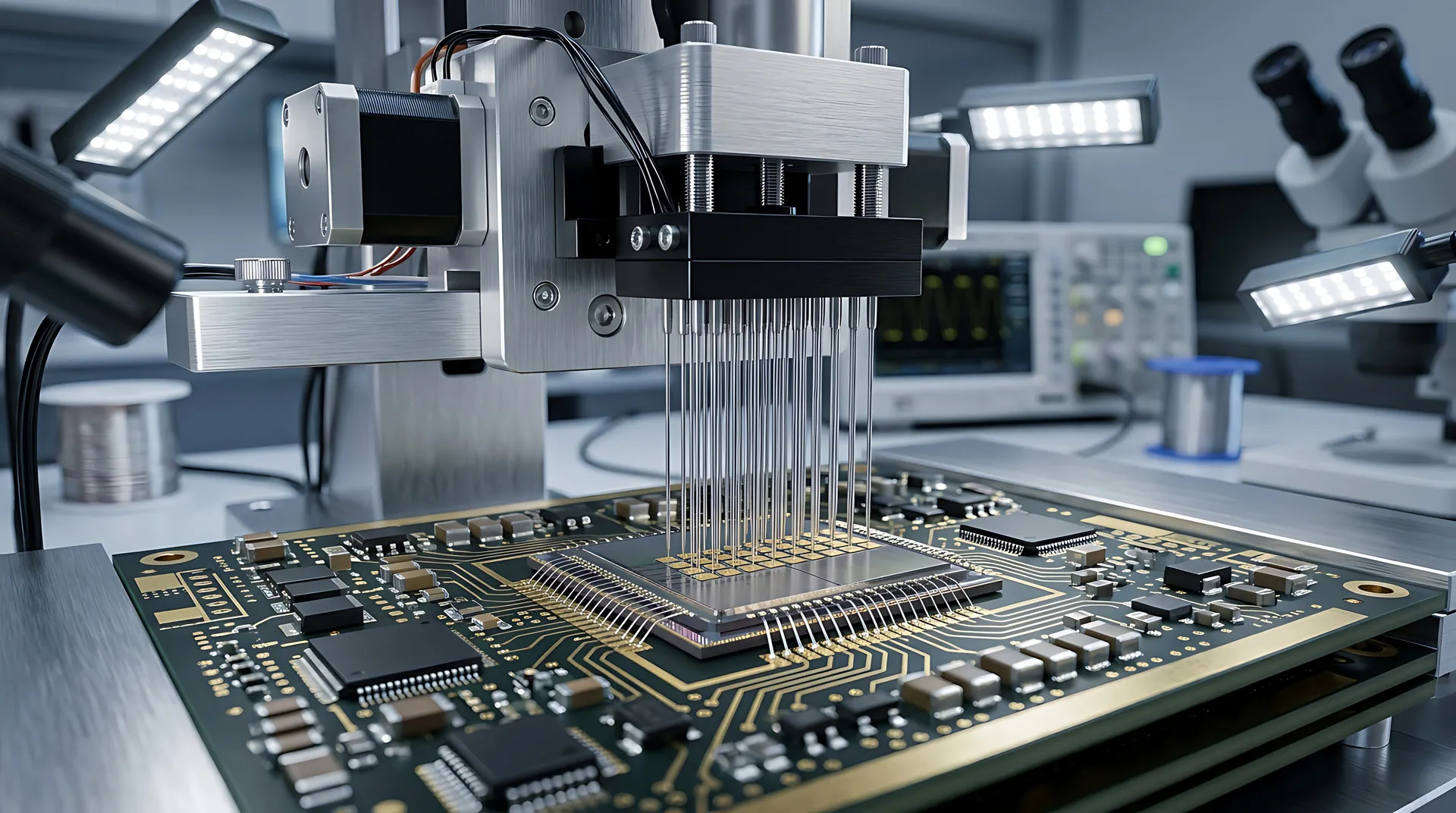
Silver, often referred to as ‘poor man’s gold,’ also dates back centuries. It was actually used as money thousands of years before gold. It has a similar monetary history but enjoys dual modern demand both as an investment metal and an industrial metal. Silver is used in a host of critical applications including in solar energy, electronics, medicine, soldering, and AI systems.

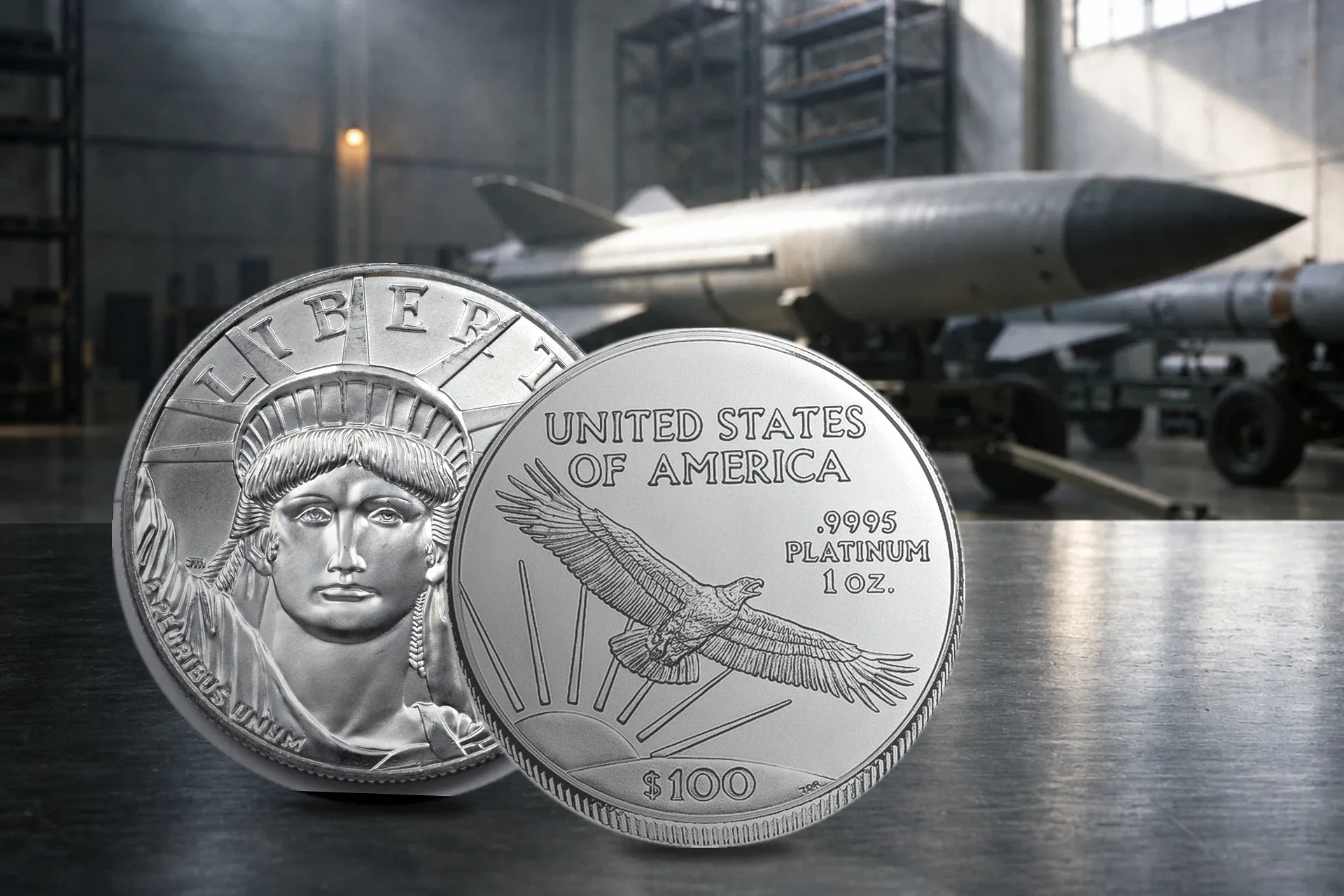
Platinum dates back to ancient Egypt and South America, but it was not officially ‘discovered’ until the 16th century. It is a transition metal with a high melting point that is used in jewelry, the automotive industry (catalytic converters), and as a highly efficient catalyst critical in the production of hydrogen energy.
Palladium is a relatively new metal that was discovered just a few hundred years ago. It is one of the rarest metals in the world. It is actually harder and more durable than gold. Like platinum, it is used in the automotive and jewelry industry as well as in electronics, dentistry and scientific instruments. Its extreme scarcity and versatility drive its value.
All of these metals enjoy unique demand and a low correlation to traditional assets. As a result, they provide key diversification protection and critical stability to a financial portfolio. They are not only alternative assets but also tangible ones that offer safety, security and peace of mind.
“While precious metals are one of the oldest financial instruments, they largely remain an underutilized and overlooked investment option. Precious metals may present an opportunity for investors to further diversify their portfolios and potentially benefit from the distinct investment characteristics precious metals have historically offered. In our view, investors can best realize these potential benefits by regarding precious metals as a distinct asset class, separate from other commodities and alternative investments.”[2]
What is the ‘Rule of Thumb’ in terms of Allocation?
There is perhaps nothing more important to a retirement account than balanced holdings. A well-diversified portfolio helps to mitigate risk, and it typically includes an assortment of investment vehicles like stocks, bonds, cash, real estate and of course precious metals. Portfolio diversification helps offset the impact of volatility, uncertainty, and unforeseen economic events.
“When you keep all your money in one asset class, whether stocks, bonds, or real estate, you risk losing more during market downturns or geopolitical events. A diversified portfolio, on the other hand, spreads your investment across various asset classes to reduce risk. If one drops in value, the others may hold steady or even rise, which can help offset losses and stabilize your portfolio. Diversification is one of the most fundamental strategies for building an investment portfolio focused on long-term growth.”[3]
But how much of your portfolio should be in gold, silver, platinum, or palladium?
Some experts recommend no less than 5%, others say 10% is ideal and still others suggest allocation levels as high as 15% due to the recent strength of gold and silver.

According to Sprott Asset Management gold, in particular, offers historic levels of resilience in times of crisis and stress — and the amount of metals that should be allocated should take into account a retiree’s long-term goals, willingness to accept sharp price movements, cash needs, and the influence of other assets.
“The exact percentage of physical gold and gold equities in an investment portfolio depends on several factors including an investor’s risk tolerance, investment objectives, time horizon, income requirements and overall financial situation. We believe 10-15% of a diversified portfolio in gold and gold-related equities should look like: a) 10% to physical gold, typically the more conservative option in a gold allocation. We believe physical gold provides a store of value and a hedge against systemic risks. b) 0-5% to gold-related equities. This is generally considered the more aggressive option in a gold allocation, aiming to offer leverage to gold prices and the possibility of greater risk/return potential.”[4]
So, precious metals are not only a time-tested safe haven, a modern store of value, and an effective hedge against volatile paper assets — they are also an important risk management tool. And in 2025 they have earned a place of prominence in an ‘all-weather’ retirement portfolio.
This article was brought to you by ORION METAL EXCHANGE,
a top-rated PRECIOUS METALS DEALER with
Best-in-Class CUSTOMER SERVICE.
Get a FREE Investor Kit and up to $30,000 in FREE metals (on qualifying purchases).
REPRESENTATIVES ARE AVAILABLE NOW AT: 1-800-559-0088
[1] https://www.morganstanley.com/insights/articles/stock-rally-2025-risks
[2] https://www.aberdeeninvestments.com/en-us/investor/insights-and-research/precious-metals-place-in-the-portfolio
[3] https://investor.vanguard.com/investor-resources-education/education/model-portfolio-allocation
[4] https://sprott.com/media/qhzpcit4/how-much-gold-should-i-own.pdf