
If you glanced at financial or investing headlines back in 2025, it was clearly “the year of gold” which was capped off by some 50 all-time highs and a price surge of over 60%. Compare that to the Dow which gained just 13% or the S&P 500 which returned about 16% or the Nasdaq which climbed 20%.
But make no mistake, last year was also the start of a radical revaluation of tangible assets that includes all investment-grade metals like silver which is up 160% in the past year, followed by platinum up more 150%, and palladium which has gained over 100%. All of this indicates a structural shift in the appeal of core assets that is intricately linked to macro forces like sovereign debt, geopolitics, monetary policy, and historic supply/demand dynamics.
Precious Metals are No Longer Optional

When it comes to investing — core assets provide stability, safety, and are considered essential for portfolio diversification. Precious metals, which have traditionally been viewed as alternative or non-traditional assets, are finding new relevance in the modern portfolio as foundational investments.
According to Investing.com gold, silver, platinum and palladium are no longer “optional diversifiers” and their performance last year reflects a word replete with risk and instability. As we face economic uncertainties in the new year, they’re being repriced and revalued to reflect a structural shift in how risk is hedged, and how investors define long-term stores of value.
- 2025 marked a paradigm shift for precious metals, reflecting a structural repricing driven by geopolitics, central banks, and policy uncertainty.
- Gold shines as a reserve anchor. Central bank demand and lower interest rates reset gold’s floor, keeping 2026 outlook firm.
- Silver emerges as the standout tech-metal asset. Persistent supply deficits and surging industrial demand turn silver into a safety hedge and growth metal.
- Big gains in platinum and palladium were driven by China’s strategic push and shifting auto policies, reopening upside potential in 2026.[1]
Gold Enters 2026 with Key Structural Support

The new year presents new economic challenges including a growing AI bubble, ongoing trade uncertainty, increased geopolitical instability, and fallout from the growing debt crisis. All of these benefit gold which looks to be further sustained by rate cuts and monetary easing as Trump appoints a new Fed Chair. Central banks are also poised to continue buying gold to diversify their reserves away from a troubled U.S. dollar.
Gold’s strength as a portfolio asset has gone from short-term and speculative — to long-term and strategic.
“Gold begins 2026 in a very different position than in previous cycles. This is no longer a market driven purely by fear spikes or short-term inflation hedging. Instead, gold is trading as a strategic allocation — supported by macro uncertainty, evolving monetary frameworks, and sustained institutional demand. The price action reflects this shift. On both daily and weekly timeframes, gold has transitioned from aggressive expansion into controlled continuation, suggesting strength without exhaustion. As investors navigate a year defined by policy ambiguity rather than crisis, gold stands out as one of the few assets benefiting from unresolved uncertainty rather than reacting to shock events.”[2]
Technology and Supply Woes Drive White Metals
Silver, platinum and palladium which all enjoyed robust gains in 2025, are also starting the new year with positive price momentum due to persistent supply deficits and rising industrial demand.

Silver has now reached levels that seemed unfathomable just a year ago and its price boom is likely to continue based on a severe, multi-year structural supply deficit.
“The most critical factor behind the recent silver price surge is something that won’t disappear anytime soon: a structural supply crunch. Silver mine production has been falling for over a decade, particularly across Central and South America’s major mining regions. Meanwhile, global demand keeps climbing.”[3]
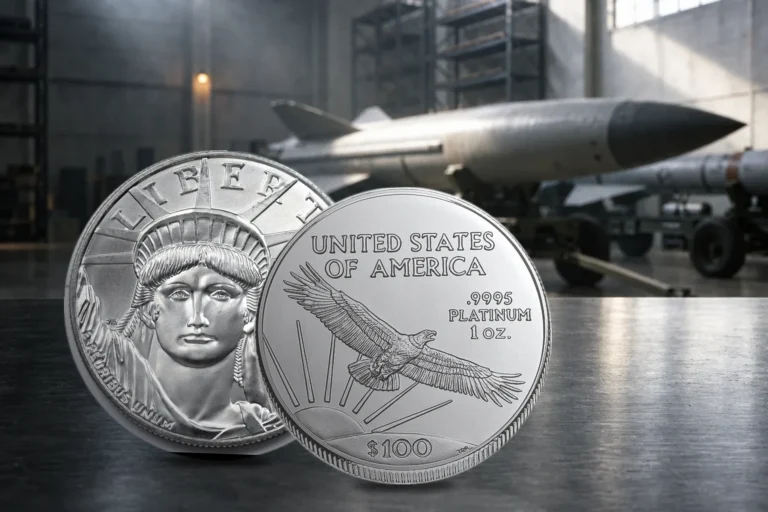
Platinum, which is 30 times rarer than gold, is also contending with a supply crunch along with a sizable valuation gap.
“Trading near $2,100 per ounce, platinum has rallied significantly in the fourth quarter. However, despite these gains, it remains historically cheap compared to gold. For investors, this disconnect presents a classic value proposition. While gold serves as a shield against fear, platinum is driven by physical scarcity and a global pivot in the industrial sector. As we look toward 2026, the data suggest that platinum, also known as the rich man’s gold, is primed for a major catch-up trade.”[4]
Palladium supply is also in a crunch due to reduced mine production, under-investment, and logistical disruptions in Russia and South Africa, two of the biggest palladium-producing countries in the world which account for 75% of global supply.
“In South Africa, platinum-and palladium-mining operations have been plagued by heavy rain and flooding in 2025. The nation’s mining industry has already been suffering under an energy crisis marked by frequent power outages … In Russia, palladium output is traditionally dependent upon the economic and operational viability of its nickel mines. Since the country’s invasion of Ukraine, logistical challenges have erupted all along the palladium supply chain, from mining to export, as sanctions and trade restrictions have tightened.”[5]
Lest we forget these three metals are simultaneously facing soaring industrial demand fueled by big tech, green energy applications, the automotive sector, the rise of AI and the renewed appeal of physical assets.
A Rare Window for Outperformance
It’s important to remember that the traditional drivers of precious metals remain relevant in 2026 including lingering inflation fears, U.S. debt, geopolitical threats, currency debasement, monetary easing, economic uncertainty and a host of other systemic risks. But when we add gold’s new role as a foundational asset and the unprecedented supply crisis plaguing white metals, we have a rare convergence of historic price catalysts.
Investor sentiment, critical mining deficits, skyrocketing demand and market fundamentals are setting the stage for another record-setting breakout for precious metals as tangible assets take center stage in an increasingly fragmented, credibility-strained, and volatile world.
ORION METAL EXCHANGE is a top-rated
PRECIOUS METALS DEALER with Best-in-Class CUSTOMER SERVICE.
Get a FREE Investor Kit and up to $30,000 in FREE metals (on qualifying purchases).
REPRESENTATIVES ARE AVAILABLE NOW AT: 1-800-559-0088
[1] https://www.investing.com/analysis/precious-metals-supercycle-why-2025-marked-a-structural-shift-200672741
[2] https://www.fxstreet.com/analysis/gold-2026-outlook-price-forecast-structure-and-key-drivers-202601050616
[3] https://www.gate.com/tr/post/status/17101034
[4] https://www.investing.com/analysis/platinum-why-it-may-catch-up-to-gold-in-2026-and-how-to-get-exposure-200672518
[5] https://www.nasdaq.com/articles/palladium-price-forecast-top-trends-palladium-2026