

For those of us who are approaching, planning for, or already in retirement — the latest news headlines are less than comforting. Inflation has gone back up, national debt is at record levels, global conflicts are surging, and a dollar doesn’t seem to go as far as it used to.
Taken one at a time, each of these conditions is a threat to our nest egg, IRA balance and/or pension dollars. Together they create a retirement affordability crisis. Long-term income thrives on predictability, stability and certainty. Today’s environment offers none of those assurances which is why gold is once again moving back into focus as a protective hedge and wealth preservation asset.
The Risk Landscape Has Shifted
Cambridge Dictionary defines certainty as “the state of being completely confident or having no doubt about something.” [1] Most people are fairly ‘certain’ that yesterday happened, tomorrow hasn’t come, and their car will start in the morning. But as we approach mid-2026, the world is confronting far more consequential uncertainties — will the war with Iran spread, will AI displace more jobs, and will the U.S. economy collapse?
According to the World Economic Forum Global Risk Perception Survey (GRPS), uncertainty and risk are the defining themes of the day.
“As global risks continue to spiral in scale, interconnectivity and velocity, 2026 marks an age of competition. As cooperative mechanisms crumble, with governments retreating from multilateral frameworks, stability is under siege. A contested multipolar landscape is emerging where confrontation is replacing collaboration, and trust – the currency of cooperation – is losing its value.” [2]
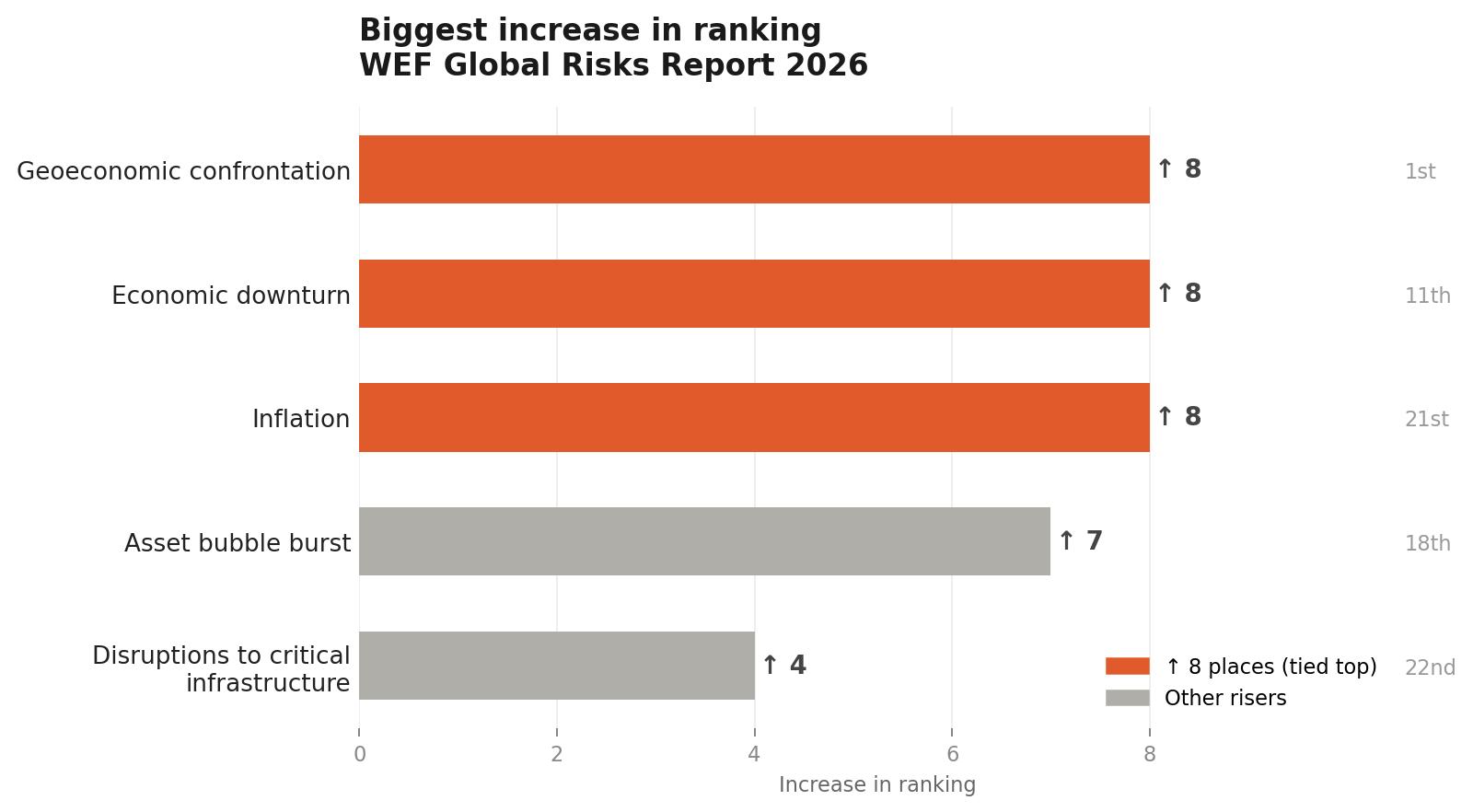
The WEF Global Risk Report found that fear of an economic downturn, rising inflation, and an asset bubble collapse are the biggest threats over the next two years. This not only makes future asset valuation and income streams ambiguous — it makes wealth preservation and long-term financial security more important than ever.
Unfortunately, extreme economic events tend to expose just how financially vulnerable millions of Americans really are. Financial accounts can fluctuate sharply, inflation can erode purchasing power, and many investors discover all too late that traditional portfolios are not always designed to absorb systemic shocks.
The Day the Rules Changed
Masks. Lockdowns. Social Distancing. Empty shelves. Few periods in recent history compare to the pandemic-era market collapse, inflation surge, massive federal stimulus, and sharp economic contraction of 2020–2022. Before Covid-19, the global economy felt relatively stable and predictable. Then, almost overnight, everything changed.
Within weeks of the onset of the global pandemic, over 20 million American jobs were wiped away. The stock market cratered by 30%, entire industries went offline, and countless businesses closed their doors — some forever. USC’s Leonard D. Schaeffer’s Institute for Public Policy and Government Service, put it this way: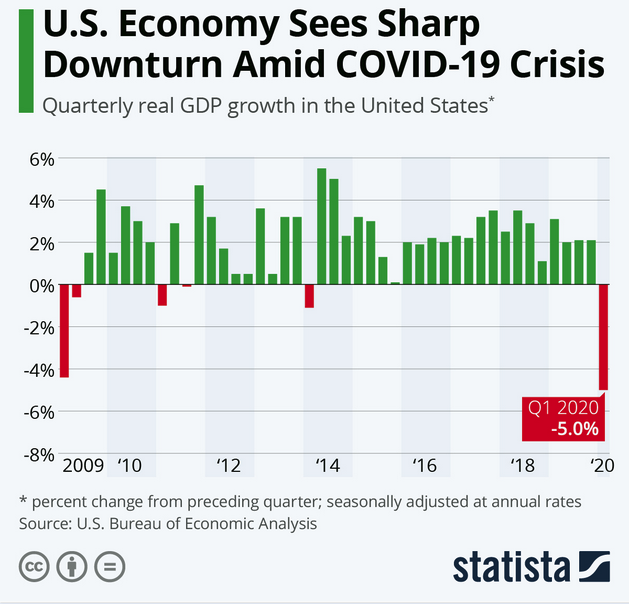
“The Covid-19 pandemic’s economic consequences are unprecedented for the U.S. by any measure. The toll we estimate that it took on the nation’s gross domestic product is twice the size of that of the Great Recession of 2007-2009. It’s 20 times greater than the economic costs of the 9/11 terrorist attacks and 40 times greater than the toll of any other disaster to befall the U.S. in the 21st century to date.” [3]
So, what did the Covid collapse ultimately reveal? We learned that viruses can be deadly, supply chains are unreliable, healthcare systems are fragile, the U.S. economy can fall into the abyss … and most of us were unprepared for a Black Swan event.
It was a stark lesson in vulnerability. And in 2026, it offers sobering context: if a traditional retirement portfolio couldn’t shield you then, what makes you think it will now in an era that is no less uncertain?
Gold in the Age of Uncertainty
Old strategies are often ill-equipped to handle new risks, but physical gold has historically endured when confidence in paper assets crumbles. Amid the darkest days of the pandemic, gold reaffirmed its le as the world’s premier safe haven.
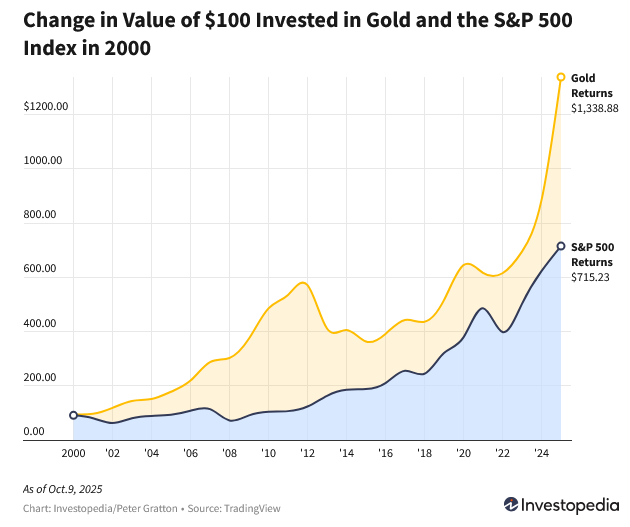 After surging to a record high by the end of 2020, gold has remained in a powerful upward trajectory. While Covid-19 created a perfect storm of economic chaos, uncertainty, and money printing — the years since have brought record-setting central bank purchases, accelerated de-dollarization, and escalated global conflict.
Gold remains in a structural bull market and the upheaval of the pandemic served as a major catalyst.
- The Covid-19 pandemic caused unprecedented economic and social disruptions and uncertainties. The gold price soared 27% from $1,575 in January 2020 to more than $2,000 by the summer of 2020.
- Following the pandemic, gold prices fell to a trading range between $1,700 and $1,900 before breaking out in late 2023 to new highs of around $2,135.
- In September 2024, gold surged above $2,685 per ounce, fueled by increased Chinese demand and lingering inflation concerns.
- Gold reached an all-time high of about $3,500 in April 2025 as investors sold riskier investments because of trade tensions between the U.S. and China.
- By October 2025, the precious metal’s price was reaching new all-time highs almost daily. [4]
For investors who diversified post-Covid, gold rewarded them with a powerful long-term win as market data shows it significantly outperformed the S&P 500. Between 2004–2024, gold returned 543%, while the S&P 500 managed 482%. Economic shocks, inflation fears, and market turbulence boosted gold’s appeal, [5] and its performance reinforced its role as a crisis hedge and a strategic long-term asset to hold during periods of economic instability.
The Barbarous Relic Is Back
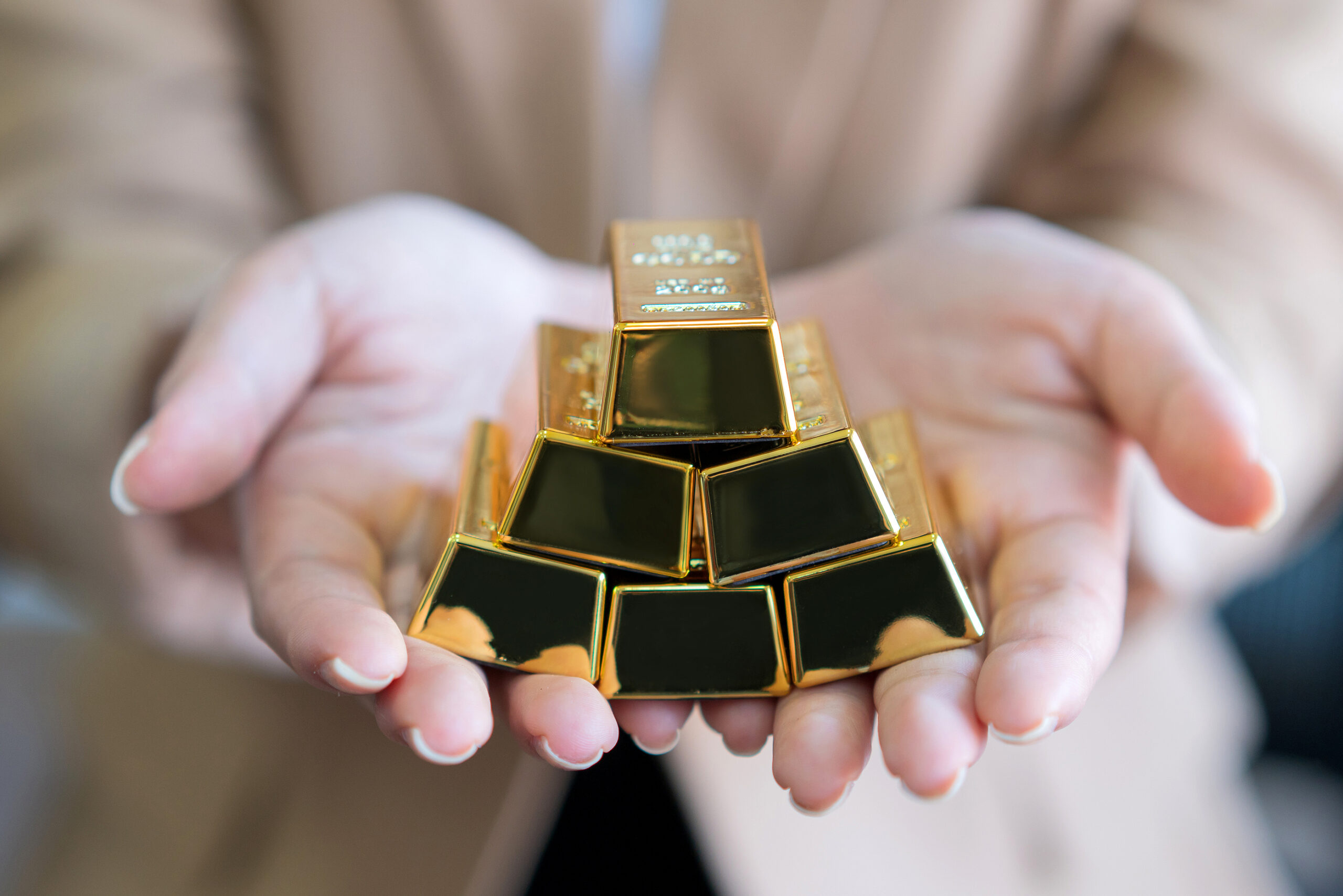
Many experts believe that today’s unstable climate of territorial wars, geopolitical tension, and financial instability are approaching levels not seen since the height of the Covid-19 crisis … underscoring just how uncertain the world has become for anyone planning for retirement.
While we all hope to maintain our future lifestyle, the reality is we’ll likely face waves of volatility and economic uncertainty in the years ahead. This can erode wealth, weaken purchasing power, and threaten our long-term financial security. From the dot.com collapse, to the subprime mortgage meltdown, to the Covid-19 crisis — history has repeatedly demonstrated that gold has served as a reliable hedge during periods of extreme market stress, persistent inflation, and economic upheaval.
ORION METAL EXCHANGE is a top-rated
GOLD IRA DEALER with Best-in-Class CUSTOMER SERVICE.
Call for a FREE Investor Kit and up to $30K in FREE metals (on qualifying purchases).
REPRESENTATIVES ARE AVAILABLE NOW AT: 1-800-559-0088
—
1. https://dictionary.cambridge.org/us/dictionary/english/certainty
2. https://www.weforum.org/publications/global-risks-report-2026/digest/
3. https://schaeffer.usc.edu/research/covid-19s-total-cost-to-the-economy-in-us-will-reach-14-trillion-by-end-of-2023-new-research/
4. https://www.investopedia.com/gold-price-history-highs-and-lows-7375273
5. https://economictimes.indiatimes.com/news/international/us/long-game-pays-off-as-gold-surpasses-sp-500-performance-over-30-years/articleshow/125719316.cms?